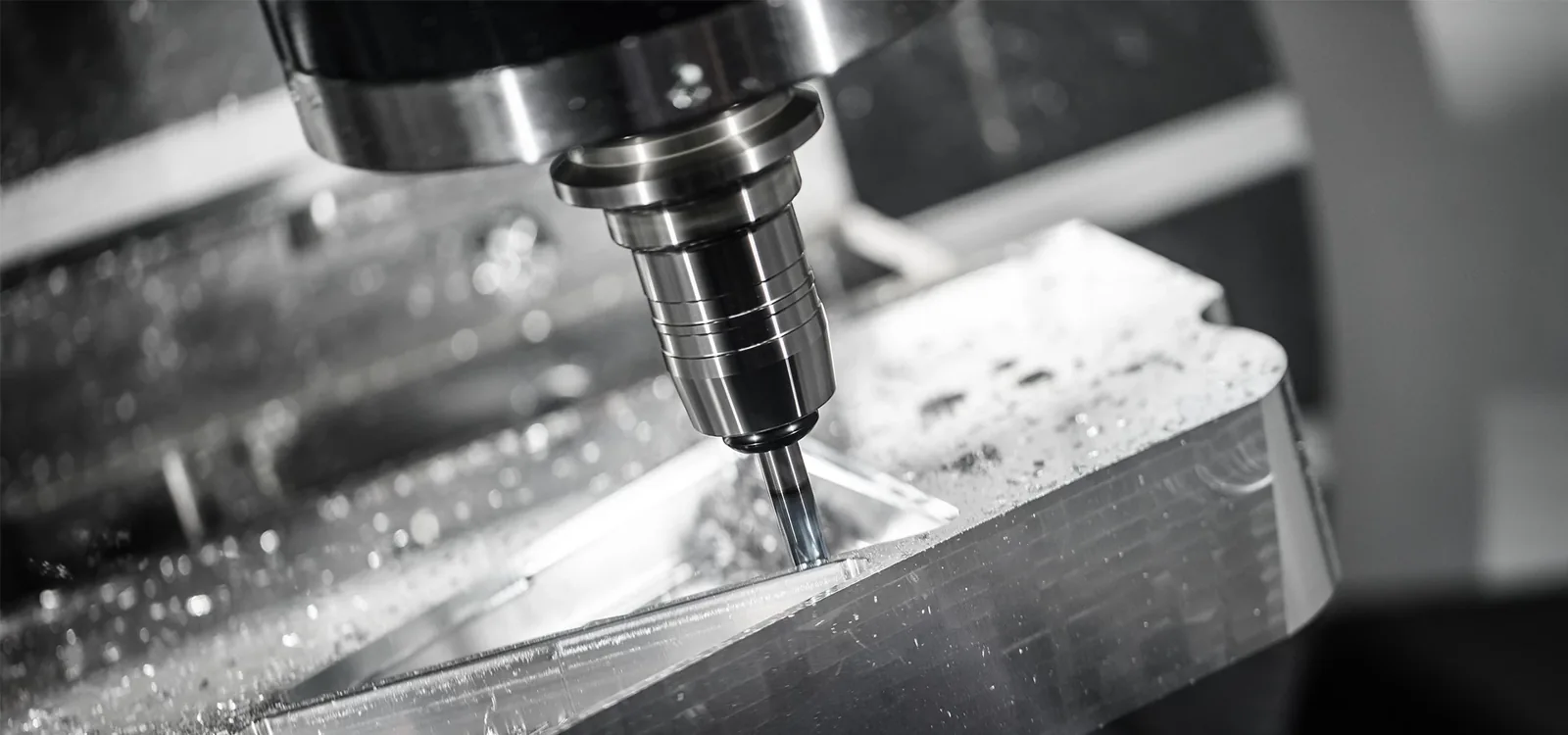
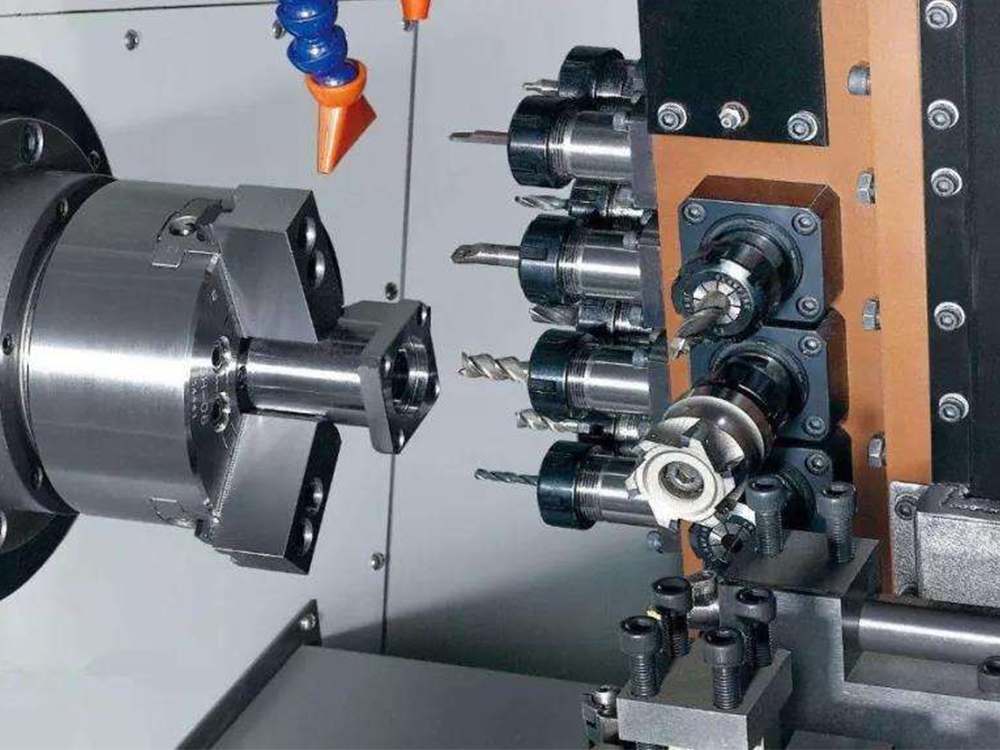
What is CNC turn-milling?
Turn-milling brings turning and milling operations into a coordinated route for mixed-geometry components. Turned diameters can be combined with flats, cross holes, slots or off-axis details. The name does not by itself guarantee a single setup or a specific machine configuration for every part.
Key specifications
Process references and example callouts are identified below. CHIHENG confirms the accepted material, dimensions and treatment requirements in the part quotation.
| Parameter | Reference / what to specify |
|---|---|
| Materials | Aluminium, stainless steel, brass, copper or engineering plastics, subject to the drawing; identify the exact grade and condition. |
| Tolerance | Define size and geometry on the final drawing. Example callout: Ø20.00 ±0.02 mm; this illustrates a requirement, not a guaranteed capacity. |
| Film / colour | No coating is created by cutting. Specify any later treatment, thickness and colour separately. |
| Part size | Supply the complete CAD model or blank envelope; available size and tool access require quotation review. |
| Critical features | Dimension flats and cross holes from the appropriate turned axis and angular datum. |
| Quantity / timing | State prototype quantity, repeat demand and required date. The accepted quantity and delivery belong in the quotation. |
Applications
Automation
Shafts with cross holes or milled flats.
Fluid-handling equipment
Fittings with wrench flats and threaded connections.
Industrial products
Mixed-geometry connectors referenced to a turned axis.
Working with CHIHENG
A direct conversation with our team, from your first drawing to delivery.
A reply within 24 hours
Send us your drawing and questions. Our team will reply within 24 hours and help you work out the next step.
An experienced engineering team
Talk through materials, tolerances and finishing with engineers who understand how your part will be made.
Machining equipment
We use our machining equipment and practical manufacturing experience to turn your drawings into finished parts.
Competitive worldwide shipping
We offer competitive shipping solutions for customers around the world, with options to suit your destination and delivery schedule.
Process steps
- Review the combined geometry
Identify the turned diameters, milled faces, cross holes and threads. Mark the relationships between these features on the finished drawing. - Plan datums and tool access
Review how the part will be located through the turning and milling operations. Confirm access to the features and any necessary transfer setups. - Machine the turned and milled features
Follow the planned sequence for rotational and non-rotational features. Keep their dimensional relationships tied to the drawing datums. - Inspect the complete part
Check the specified dimensions and relationships between turned and milled features. Complete the required finish, records and delivery preparation.
CNC Turn-Milling vs Separate Turning & Milling
Review how the turned axis and milled features relate. Tool access and workholding determine whether to combine operations or use separate setups.
| Comparison point | CNC Turn-Milling | Separate Turning & Milling |
|---|---|---|
| Operation planning | Turning and milling planned as a combined route | Turning and milling planned in separate setups or machines |
| Datum strategy | Review turned-axis and milled-feature relationships together | Plan how datums are maintained when the part is transferred |
| Setups and access | Setup count depends on tool access and machine configuration | Transfer setups depend on the chosen operation sequence |
| Route selection | Suitable where mixed geometry can be reached through the combined route | Suitable where access, size or scheduling favour separate operations |
Connecting turned and milled features
- Reference flats, cross holes and other milled features to the relevant turned axis and angular datum.
- Specify the relationships the finished part must meet; our team can review the machining sequence.
- Flag features near shoulders and grooves where tool clearance may be limited.
FAQ
Does turn-milling mean the part is completed in one setup?
Turn-milling describes a coordinated combination of operations, not a guarantee that every feature can be completed without re-clamping. Access, geometry and machine configuration determine the setup plan. Specify the finished feature relationships on the drawing and let the proposed route address how those requirements are established and inspected.
How should off-axis features be related to a turned diameter?
Identify the turned axis, face and angular reference used by the milled geometry. Then apply the positional or orientation requirement that the assembly needs. A linear hole dimension alone may not establish the full relationship. Include the mating function and inspection requirement so turning and milling are evaluated as one finished component.
Which materials can be used for CNC turn-milling?
Provide the exact material grade and condition with the CAD model and finished drawing. Suitability depends on machinability, geometry, workholding and the final surface requirement. CHIHENG reviews those details together rather than treating a general material name as acceptance of every tolerance, part size or finishing route.
Can CNC turn-milling include surface finishing?
Include the required finish with the machining drawing, material grade and quantity. Specify thickness where applicable, protected threads or bores, cosmetic faces and final dimensions after treatment. CHIHENG can review these requirements in one enquiry so the quotation identifies machining, finishing and inspection as parts of the same finished component.
How are tolerance and delivery confirmed for CNC turn-milling?
State the required dimensions, geometric controls, quantity and target delivery date in the enquiry. Tool access, workholding and inspection determine the proposed route. The quotation confirms the accepted scope and schedule for that component; a general service description is not a guaranteed tolerance or production lead time.